
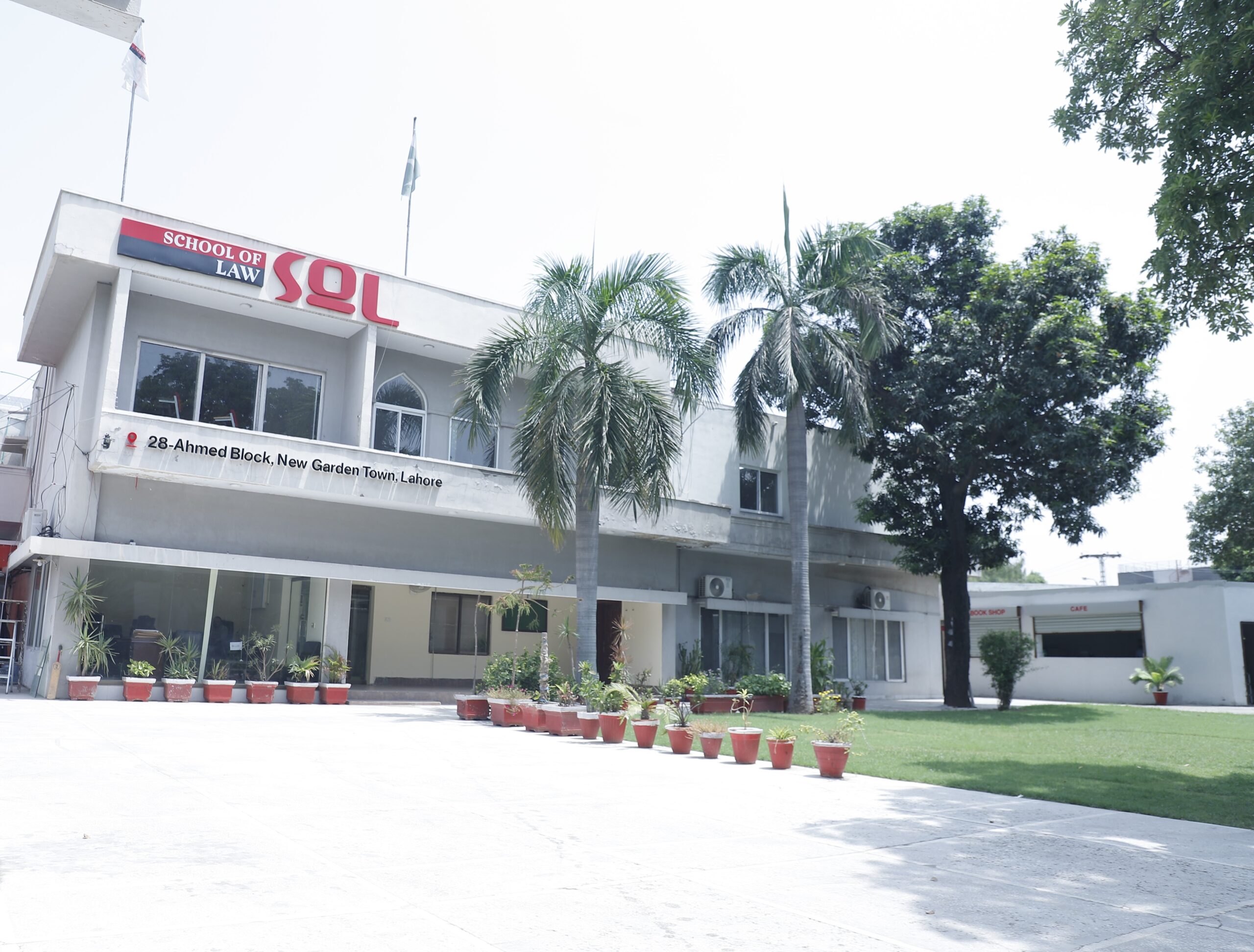
College of Law in Lahore – Why School of Law Is a Trusted Choice

College of Law in Lahore – Why School of Law Is a Trusted Choice Finding the right college of law in Lahore is one of the most important steps for students who want to enter the legal profession. Lahore has always been recognized as the center of legal education in Pakistan, offering students access to courts, legal professionals, and structured academic institutions. When students search for a college of law in Lahore, they are usually looking for quality education, strong teaching standards, and practical legal exposure. The School of Law has positioned itself as a serious academic institution that focuses on professional legal training rather than only theoretical study. This article explains why School of Law is considered a strong option among law colleges in Lahore and how it supports students in building a successful legal career. Why Choose a College of Law in Lahore for Legal Studies Studying at a college of law in Lahore offers advantages that other cities cannot easily match. Lahore is home to major courts, legal chambers, and experienced lawyers, which creates an ideal learning environment for law students. Key benefits include: Close exposure to real legal practice Strong academic culture for law education Better learning opportunities through courts and internships Access to experienced legal professionals This is why many students prefer a college of law in Lahore over institutions in other cities. Introduction to School of Law Lahore The School of Law is a professional legal education institute in Lahore that focuses on developing competent, ethical, and confident legal professionals. As a modern college of law in Lahore, it emphasizes structured learning, disciplined academic practices, and skill-based education. Educational Philosophy Clear understanding of legal concepts Development of legal reasoning Ethical responsibility in law practice Preparation for real-world legal challenges This approach helps students go beyond books and become practical legal thinkers. Teaching Methodology at School of Law One major factor that differentiates a good college of law in Lahore from an average one is its teaching style. The School of Law follows an interactive and student-centered teaching approach. How Students Learn Case law discussions Classroom debates and legal arguments Analytical thinking exercises Concept-based learning instead of rote memorization This teaching style ensures that students understand how the law works in real situations. Academic Programs (Short Overview Only) School of Law offers well-structured law programs designed to meet professional legal standards. LLB Degree Comprehensive legal curriculum Focus on core areas of law Gradual skill development The program structure supports students throughout their academic journey in a college of law in Lahore. Practical Legal Training and Advocacy Skills A strong college of law in Lahore must provide hands-on legal training, and School of Law places heavy emphasis on this area. Practical Learning Activities Moot court sessions Mock trials Legal drafting practice Understanding court procedures Advocacy and argument skills These activities prepare students to confidently face the courtroom and legal environments after graduation. Campus Environment and Learning Facilities The academic environment plays a crucial role in shaping law students. School of Law offers a focused and professional campus atmosphere suitable for serious legal studies. Campus Features Academic classrooms Legal research resources Moot court facilities Structured and disciplined environment Such facilities support effective learning at a college of law in Lahore. International Exposure and Academic Standards Modern legal education requires alignment with global standards. School of Law follows academic practices that help students understand both local and international legal systems. Benefits of International Standards Broader legal perspective Strong academic credibility Better professional confidence Improved analytical skills This exposure adds long-term value to students studying at a college of law in Lahore. Career Preparation After Studying Law Graduating from a recognized college of law in Lahore opens multiple career paths. School of Law prepares students for diverse roles in the legal field. Career Options Advocate / Lawyer Corporate Legal Associate Legal Advisor Judicial services (after required exams) Legal research and teaching The institution focuses on career readiness, not just degree completion. Pros and Cons of Studying at School of Law Advantages Strong academic structure Practical legal exposure Professional teaching methods Focus on discipline and ethics Career-oriented education Challenges Law studies require consistent effort Time management is essential Every college of law in Lahore has demands, and success depends on student dedication. How to Select the Right College of Law in Lahore When choosing a college of law in Lahore, students should consider: Teaching quality Practical training opportunities Academic environment Career preparation support School of Law meets these expectations through its balanced educational approach. Key Takeaways A college of law in Lahore offers unmatched legal exposure School of Law focuses on quality education and skills Teaching style emphasizes understanding and application Practical training is a core part of legal learning Graduates are prepared for real legal careers Frequently Asked Questions (FAQs) 1. Why is Lahore considered the best city for law education? Lahore offers courts, legal professionals, and academic institutions, making it ideal for students studying at a college of law in Lahore. 2. What makes School of Law a reliable college of law in Lahore? Its teaching methodology, practical training, disciplined environment, and professional focus make it a strong choice. 3. Is School of Law suitable for beginners? Yes, beginners benefit from step-by-step learning and concept-based teaching. 4. How important is practical training in a college of law in Lahore? Practical training is essential for developing real legal skills and courtroom confidence. 5. Does School of Law focus only on theory? No, theory is combined with case studies, discussions, and practical exercises. 6. What career paths are available after graduating from law college? Graduates can pursue litigation, corporate law, legal advisory roles, judicial services, or legal education. 7. How does international exposure help law students? It improves legal understanding, analytical thinking, and long-term career growth. 8. Is discipline important in legal education? Yes, discipline helps students succeed academically and professionally in law. Summary Choosing the right college of law in Lahore is the foundation of a successful legal
LLB Entrance Exam Preparation Time For Beginners

Law Entrance Exam Preparation Time for Beginners: Your Guide to Success with School of Law Introduction Are you planning to embark on a career in law and wondering how to prepare effectively for the LLB Law Entrance Exam as a beginner? You’ve come to the right place. Preparing for this important exam can feel overwhelming, especially if you are just starting. However, with the right approach and strategies, you can set yourself up for success. In this guide, we’ll cover everything you need to know about LLB Entrance Exam Preparation Time for Beginners. Whether you are just starting to consider law school or are already in the process of preparing for the entrance exam, this article will help you plan your study time, set realistic goals, and prepare efficiently. Let’s dive in and understand how to prepare effectively for the LLB entrance exam with guidance from School of Law. LLB Entrance Exam Preparation Time For Beginners Understanding the LLB Law Entrance Exam Before diving into preparation, it’s essential to understand the LLB Law Entrance Exam. This exam serves as a gateway to law schools and tests your knowledge, reasoning abilities, and aptitude for legal studies. Typically, the exam will consist of sections like General Knowledge, English Language Skills, Logical Reasoning, and Legal Aptitude. Knowing the subjects covered and the structure of the exam is crucial for effective preparation. At School of Law, we provide comprehensive preparation strategies to ensure that beginners are well-equipped to tackle each section of the exam. How Much Time Should You Dedicate to LLB Exam Preparation? One of the most common questions that law aspirants ask is: “How much time do I need to prepare for the LLB entrance exam as a beginner?” The ideal preparation time depends on a few factors such as: Your current level of knowledge: If you’re starting from scratch, it will require more time compared to someone who has already done some groundwork. The exam schedule: Some students may have only a few months to prepare, while others may have a year. Your study habits: Consistency and time management are key to success. School of Law recommends that beginners give themselves at least 6 to 12 months to prepare for the LLB Law Entrance Exam. This allows you to gradually build a solid foundation in the key areas and avoid last-minute cramming. Breaking Down Your Preparation Timeline At School of Law, we understand that a structured approach to your preparation is vital. Here’s how to break down your study time effectively: First 2 Months: Build Your Foundation Focus Areas: General Knowledge and English Language Skills. Study Tips: During these initial months, focus on reading newspapers, practicing grammar, and expanding your vocabulary. Start familiarizing yourself with basic legal terminology and concepts. Time Allocation: Dedicate 2–3 hours daily for studying these subjects. Next 3-4 Months: Strengthen Reasoning and Aptitude Focus Areas: Logical Reasoning, Legal Aptitude. Study Tips: Practice solving logical reasoning puzzles, learn how to analyze arguments, and understand the basics of legal principles. Begin practicing with sample questions and mock exams to familiarize yourself with the pattern. Time Allocation: Increase study time to 4–5 hours daily. Last 2-3 Months: Intensive Revision and Mock Exams Focus Areas: Full revision of all subjects. Study Tips: Now it’s time to consolidate everything you’ve learned. Take regular mock exams to simulate the test environment, analyze your performance, and focus on areas where you are weak. Time Allocation: Study for 5–6 hours daily, ensuring you cover all sections thoroughly. Tips for Efficient LLB Entrance Exam Preparation As you begin your preparation, it’s essential to follow effective strategies. Here are a few tips to maximize your study time: Create a Study Plan: A personalized study plan will help you stay organized and track your progress. Include daily goals, topics to cover, and mock test schedules. Use Quality Study Materials: Invest in comprehensive study materials, including books, online resources, and practice papers. School of Law provides students with access to excellent study materials designed to simplify complex topics. Focus on Time Management: Managing your time during the exam is crucial. Practice solving questions under timed conditions to enhance your speed and accuracy. Stay Consistent: Consistency is key. Even if you are short on time, studying a little each day is more beneficial than cramming all at once. Stay Healthy and Balanced: Don’t forget to take care of your physical and mental well-being. Regular exercise, proper sleep, and breaks will keep you energized and focused. Why Choose School of Law for Your LLB Preparation? School of Law stands out for its expertise in guiding beginners through the intricacies of law entrance exam preparation. Our courses are designed by experienced professionals who understand the needs of law aspirants. With comprehensive study materials, regular mock exams, and personalized mentoring, we help you build a solid foundation in legal studies. Here’s why School of Law is the best choice for your preparation: Expert Faculty: Learn from highly experienced educators and legal professionals who have a deep understanding of the LLB entrance exam and its requirements. Comprehensive Curriculum: Our syllabus is tailored to cover all aspects of the LLB entrance exam, including General Knowledge, English Language, Logical Reasoning, and Legal Aptitude. Personalized Coaching: Receive one-on-one guidance to address your individual needs and challenges. Mock Exams and Feedback: Practice with mock exams and get detailed feedback to improve your performance. FAQs About LLB Entrance Exam Preparation Time for Beginners LLB Entrance Exam Preparation Time For Beginners 1. How much time should beginners allocate for LLB Entrance Exam preparation? The LLB Entrance Exam Preparation Time for Beginners varies depending on your current knowledge level and the time available before the exam. Generally, it’s recommended to dedicate 6 to 12 months for a comprehensive study plan. This allows enough time to build your foundation in subjects like General Knowledge, English Language, Logical Reasoning, and Legal Aptitude. With consistent effort, you can cover all the necessary topics and be well-prepared for the exam. 2. What is the
4 Years LLB in Pakistan

4 Years LLB in Pakistan – Complete Guide by School of Law Introduction Choosing law as a career is more than selecting a degree—it is a commitment to justice, critical thinking, and leadership. In recent years, the 4 years LLB in Pakistan has emerged as a focused and career-oriented legal education pathway for students who want to enter the legal profession with strong academic and practical foundations. Designed and delivered by reputable institutions such as School of Law, this program equips students with modern legal knowledge, analytical skills, and professional ethics required to succeed in courts, corporate sectors, and public service. This detailed guide explains everything you need to know about the 4 years LLB in Pakistan, with a clear focus on School of Law, covering eligibility, structure, subjects, career scope, and why this pathway is becoming increasingly relevant in Pakistan’s evolving legal landscape. What Is 4 Years LLB in Pakistan? The 4 years LLB in Pakistan is an undergraduate professional law degree designed for students who have completed intermediate education (FA, FSc, ICS, ICom, or equivalent). Unlike postgraduate law degrees, this program allows students to start their legal education early and gain in-depth exposure to law over four academic years. At School of Law, the 4-year LLB program is structured to balance theoretical knowledge with practical legal training, ensuring graduates are ready for professional challenges upon completion. Key Characteristics of 4 Years LLB in Pakistan Undergraduate professional law degree Duration: 4 academic years Focus on foundational and applied legal studies Approved and regulated under national legal education standards Career-oriented curriculum aligned with modern legal needs Role of School of Law in Legal Education School of Law is a specialized institution dedicated exclusively to legal education. Its academic philosophy centers on quality teaching, ethical training, and practical exposure, making it a preferred choice for students pursuing the 4 years LLB in Pakistan. Rather than offering multiple unrelated programs, School of Law focuses entirely on law, allowing students to benefit from: Dedicated legal faculty Moot courts and legal research culture Academic mentoring and guidance Strong emphasis on professional ethics This focused approach distinguishes School of Law from general universities and enhances the academic depth of the 4 years LLB program. Eligibility Criteria for 4 Years LLB in Pakistan Admission requirements for the 4 years LLB in Pakistan are designed to ensure students have the academic capacity to handle legal studies. Basic Eligibility Intermediate (FA/FSc/ICS/ICom) or equivalent qualification Minimum marks as per institutional and regulatory requirements Entry test or interview (as required by School of Law) School of Law follows transparent merit-based admissions, ensuring equal opportunity for deserving students. Admission Process at School of Law The admission process for the 4 years LLB in Pakistan at School of Law is student-friendly and structured. Step-by-Step Admission Process Submission of application form Academic document verification Entry test or assessment (if applicable) Interview and merit evaluation Final admission confirmation This process ensures that motivated and capable students are selected for the program. Curriculum Structure of 4 Years LLB in Pakistan The curriculum of the 4 years LLB in Pakistan at School of Law is carefully designed to develop legal understanding progressively, from basic concepts to advanced applications. Year-Wise Academic Focus Year 1: Foundations of Law Introduction to Law Legal System of Pakistan English for Legal Purposes Islamic Studies / Ethics Constitutional Development Year 2: Core Legal Subjects Constitutional Law Contract Act Criminal Law Law of Torts Legal Research & Writing Year 3: Applied and Procedural Law Civil Procedure Code Criminal Procedure Code Evidence Law Administrative Law Company Law Year 4: Advanced & Professional Training International Law Labor and Industrial Law Intellectual Property Law Moot Court Practice Legal Ethics & Professional Conduct This structured progression ensures that students graduating from School of Law are well-prepared for real-world legal practice. Teaching Methodology at School of Law School of Law adopts modern and interactive teaching methods to enhance learning outcomes in the 4 years LLB in Pakistan. Teaching Approach Includes: Case law analysis Classroom discussions and debates Moot court simulations Legal drafting exercises Research-based assignments This practical approach helps students bridge the gap between theory and practice. Why Choose 4 Years LLB in Pakistan at School of Law? Choosing the right institution is critical for a legal career. School of Law offers several advantages for students pursuing the 4 years LLB in Pakistan. Key Benefits Law-focused academic environment Experienced legal faculty Emphasis on advocacy and ethics Strong academic discipline Career-oriented legal training School of Law prepares students not just to pass exams, but to become competent legal professionals. Career Scope After 4 Years LLB in Pakistan Graduates of the 4 years LLB in Pakistan from School of Law have diverse career opportunities across multiple sectors. Career Options Include: Advocate (after bar enrollment) Legal advisor in private firms Corporate legal executive Judicial services (after competitive exams) Legal researcher or academic assistant The comprehensive training provided by School of Law allows graduates to adapt to both litigation and non-litigation careers. Professional Recognition and Legal Practice Graduates of the 4 years LLB in Pakistan are eligible to pursue legal practice after fulfilling professional requirements set by regulatory bodies such as the Pakistan Bar Council and recognition standards aligned with the Higher Education Commission. School of Law ensures its curriculum aligns with these standards, enabling graduates to smoothly transition into professional practice. Skills Developed During 4 Years LLB in Pakistan The 4 years LLB in Pakistan at School of Law focuses on developing essential professional skills, including: Legal reasoning and analysis Courtroom advocacy Legal drafting and documentation Research and critical thinking Ethical decision-making These skills are crucial for long-term success in the legal profession. Student Support and Academic Environment School of Law provides a supportive academic environment to help students succeed throughout the 4 years LLB in Pakistan. Support Systems Include: Academic counseling Faculty mentoring Research guidance Moot court preparation This holistic support system ensures consistent academic growth. Future Pathways After Graduation After completing the 4 years LLB in Pakistan, graduates
Private Law College in Lahore Pakistan

Private Law College in Pakistan – A Complete Guide to School of Law Introduction: Why Choosing the Right School of Law Matters Law is one of the most respected and influential professions in Pakistan. Whether your goal is to become an advocate, legal advisor, judge, corporate lawyer, or policymaker, your journey begins with choosing the right Private Law College in Pakistan. A strong legal education not only shapes your professional future but also builds your analytical thinking, ethics, and understanding of justice. In recent years, private law institutions have emerged as strong alternatives to public universities, offering modern teaching methods, experienced faculty, and focused academic environments. Among these, the School of Law stands out as a dedicated institution committed to producing competent, ethical, and practice-ready legal professionals. This article provides a detailed, SEO-optimized, and human-written guide focused only on the School of Law, explaining its role, vision, academic structure, and why it is considered a leading private law college in Pakistan. What Is a School of Law in Pakistan? A School of Law is a specialized academic institution that focuses exclusively on legal education. Unlike general universities that offer multiple disciplines, a law school dedicates its resources, faculty, and curriculum entirely to law-related studies. In Pakistan, a private school of law typically offers: Undergraduate law degrees (LLB) Professional legal training Exam-oriented preparation Practical exposure through moot courts and legal research A private law college in Pakistan like the School of Law is designed to bridge the gap between theory and real-world legal practice. Overview of School of Law as a Private Law College in Pakistan The School of Law is a modern, student-focused private institution built to meet the growing demand for high-quality legal education in Pakistan. It operates with a clear mission: to produce law graduates who are academically strong, ethically grounded, and professionally capable. As a recognized private law college in Pakistan, the School of Law emphasizes: Academic excellence Practical legal skills Professional responsibility Critical and analytical thinking The institution aligns its programs with national legal education standards while maintaining flexibility and innovation in teaching methods. Vision and Mission of the School of Law Vision The vision of the School of Law is to become a benchmark for private legal education in Pakistan by developing future legal professionals who uphold justice, integrity, and the rule of law. Mission To deliver high-quality legal education through structured academic programs To prepare students for legal practice, judiciary exams, and corporate law careers To promote ethical values and social responsibility To create a learning environment that encourages debate, research, and legal reasoning This mission places the School of Law among the most purpose-driven private law colleges in Pakistan. Academic Programs Offered at School of Law LLB Program (Bachelor of Laws) The core offering of the School of Law is its LLB program, which serves as the foundation for legal careers in Pakistan. Key features of the LLB program include: Comprehensive coverage of Pakistani law Strong grounding in constitutional and civil law Focus on legal drafting and interpretation Preparation for bar council requirements The curriculum is designed according to the standards expected from a top private law college in Pakistan, ensuring both academic depth and professional relevance. Curriculum Structure and Core Subjects The School of Law follows a structured and progressive curriculum that develops students step by step. Core Law Subjects Constitutional Law of Pakistan Contract Law Criminal Law Civil Procedure Code Criminal Procedure Code Islamic Jurisprudence Jurisprudence and Legal Theory Evidence Law Each subject is taught with a balance of theory, case law, and application, making the School of Law a strong example of a practice-oriented private law college in Pakistan. Teaching Methodology at School of Law One of the defining strengths of the School of Law is its modern and student-centric teaching approach. How Learning Happens Interactive lectures instead of one-way teaching Case-based discussions to build legal reasoning Regular assessments to track progress Legal writing and research exercises This approach helps students not only pass exams but also think like lawyers, a key advantage of studying at a quality private law college in Pakistan. Faculty and Academic Environment Experienced Law Faculty The School of Law employs qualified and experienced faculty members with backgrounds in: Legal practice Academic research Court litigation Legal consultancy Faculty members focus on mentoring students, clarifying complex legal concepts, and guiding them toward professional success. Supportive Learning Environment Small to medium class sizes Open discussion culture Academic counseling and guidance This personalized academic environment is one reason students prefer the School of Law over overcrowded institutions. Practical Legal Training and Skill Development Legal education is incomplete without practical exposure. The School of Law integrates skill-based learning throughout its programs. Practical Learning Components Moot court sessions Mock trials and case simulations Legal drafting practice Research-based assignments These activities prepare students for real legal challenges and reinforce the School of Law’s position as a leading private law college in Pakistan. Why Choose School of Law as Your Private Law College in Pakistan? Choosing the right institution can define your legal career. The School of Law offers several advantages: Key Reasons Specialized focus on law education only Updated and relevant legal curriculum Qualified and accessible faculty Strong emphasis on legal ethics Career-oriented academic structure For students seeking quality education without the limitations of public institutions, the School of Law is a strong choice. Role of School of Law in Pakistan’s Legal System The School of Law contributes to Pakistan’s legal ecosystem by: Producing well-trained law graduates Promoting awareness of constitutional rights Encouraging ethical legal practice Supporting access to justice through education As a responsible private law college in Pakistan, it plays a role in strengthening the country’s legal institutions. Career Pathways After Studying at School of Law Graduates of the School of Law can pursue diverse legal careers, including: Advocate (after bar enrollment) Legal advisor Corporate lawyer Judicial services aspirant Legal researcher or academic The strong academic foundation provided by this private law college in Pakistan helps graduates compete confidently
Private law college in Pakistan

Private Law College in Pakistan – School of Law Choosing the right law college is one of the most important decisions for students who aspire to build a successful legal career. In Pakistan, where the demand for qualified legal professionals is growing rapidly, enrolling in a private law college in Pakistan can open doors to quality education, practical exposure, and professional excellence. School of Law stands out as a trusted institution committed to shaping competent, ethical, and future-ready legal professionals. This detailed guide explores why School of Law is an ideal choice, what makes a private law college valuable, and how students can benefit from a structured, modern legal education in Pakistan. Understanding the Importance of a Private Law College in Pakistan Legal education in Pakistan has evolved significantly over the years. While public sector institutions remain competitive, many students prefer a private law college in Pakistan because of: Smaller class sizes and personalized attention Modern teaching methodologies Strong academic discipline and mentorship Career-focused learning environment Private institutions like School of Law are bridging the gap between traditional legal education and modern professional requirements. Why Choose School of Law? School of Law is a purpose-driven private law college in Pakistan, dedicated to delivering high-quality legal education aligned with national and international standards. The institution focuses on academic excellence, ethical values, and real-world legal skills. Key Highlights of School of Law Professionally designed law programs Qualified and experienced faculty Student-centered learning environment Emphasis on critical thinking and legal reasoning Career guidance and professional development support School of Law aims to produce graduates who are not only knowledgeable but also capable of handling real legal challenges with confidence. Academic Programs at School of Law A strong academic foundation is the backbone of any reputable private law college in Pakistan. School of Law offers well-structured law programs designed to meet the requirements of legal education authorities and the legal profession. Core Features of the Law Programs Comprehensive coverage of legal subjects Balance between theory and practical learning Regular assessments and academic feedback Updated curriculum reflecting current laws Students are trained to understand both the letter and the spirit of the law. Curriculum Designed for Practical Excellence School of Law emphasizes a curriculum that goes beyond textbooks. The focus is on applying legal concepts in real-life scenarios. What Makes the Curriculum Effective? Case study–based learning Legal research and writing training Moot court sessions and mock trials Classroom discussions on current legal issues This practical exposure ensures that graduates of this private law college in Pakistan are ready for courts, law firms, corporate roles, and public service. Experienced Faculty and Academic Mentorship One of the defining strengths of School of Law is its dedicated teaching faculty. The instructors bring academic knowledge and professional experience into the classroom. Faculty Advantages Strong academic background in law Practical legal experience Student-friendly teaching approach Focus on mentoring and guidance The faculty plays an active role in helping students develop confidence, clarity, and professional ethics. Learning Environment at School of Law A supportive academic environment is essential for effective learning. School of Law provides a disciplined yet encouraging atmosphere for students. Campus Learning Culture Interactive classrooms Respectful academic environment Student participation and engagement Focus on professionalism and discipline This structured environment reflects the values expected in the legal profession. Career Opportunities After Studying Law Graduating from a reputable private law college in Pakistan like School of Law opens multiple career pathways. Career Paths for Law Graduates Legal practice and advocacy Corporate and business law Judiciary and legal services Legal research and academia Government and public sector roles School of Law prepares students to compete confidently in the legal job market. Skill Development Beyond Academics Modern legal professionals need more than academic knowledge. School of Law focuses on developing essential professional skills. Key Skills Developed Legal drafting and documentation Analytical and critical thinking Communication and argumentation Ethical decision-making These skills help students transition smoothly from education to professional life. Why Private Law Colleges Are Gaining Popularity in Pakistan The demand for private law colleges has increased due to changing educational needs and career expectations. Benefits of a Private Law College in Pakistan Modern teaching standards Student-focused learning Flexible academic support Career-oriented approach School of Law reflects these advantages through its commitment to quality and professionalism. Admissions at School of Law School of Law follows a transparent and merit-based admission process to ensure academic standards. Admission Process Overview Clear eligibility criteria Academic record evaluation Student counseling and guidance Smooth enrollment procedure The institution supports students throughout the admission journey. Ethics, Values, and Professional Responsibility Legal education is not only about laws but also about responsibility. School of Law instills strong ethical values in its students. Core Values Promoted Integrity and honesty Respect for justice and fairness Professional responsibility Commitment to society These values define the true spirit of a reputable private law college in Pakistan. School of Law – A Future-Focused Institution School of Law continuously adapts to changes in legal education and professional requirements. The institution remains committed to continuous improvement and student success. Future-Oriented Approach Curriculum updates Focus on emerging legal fields Emphasis on lifelong learning Strong academic governance This ensures that graduates remain relevant in an evolving legal landscape. Frequently Asked Questions (FAQs) – School of Law What is School of Law in Pakistan? School of Law is a professional private law college in Pakistan that provides structured legal education with a focus on academic excellence, ethical values, and practical legal skills for aspiring lawyers. Is School of Law a private law college in Pakistan? Yes, School of Law is a private law college in Pakistan, offering law education through modern teaching methods, qualified faculty, and a student-focused academic environment. Why should I choose a private law college in Pakistan like School of Law? A private law college in Pakistan such as School of Law offers smaller class sizes, personalized academic support, practical learning opportunities, and a disciplined environment that helps students grow professionally. What type of legal
Law School in Pakistan Admission

Law School in Pakistan Admission: Complete Guide for Aspiring Lawyers Choosing a career in law is a life-changing decision, and securing law school in Pakistan admission is the first and most important step toward becoming a successful legal professional. Every year, thousands of students apply for law school admission in Pakistan to pursue careers as lawyers, judges, corporate legal advisors, and legal consultants. However, many applicants feel confused about the law school in Pakistan admission process, eligibility criteria, LAT entry test requirements, merit calculation, and selecting the right law institution. This complete guide to law school in Pakistan admission answers all major questions in a clear and professional way. Whether you are an Intermediate student, an A-Level graduate, or a bachelor’s degree holder, this article will help you understand how law school admission in Pakistan works, with a special focus on the School of Law as a trusted institute for legal education. Understanding Law Education in Pakistan Law education in Pakistan is regulated by the Pakistan Bar Council (PBC) and offered through HEC-recognized universities and law colleges. Admission to any recognized law school in Pakistan must follow official PBC rules. The most common undergraduate law degree is LLB, which is compulsory for enrollment as an advocate. Types of Law Degrees in Pakistan For students seeking law school in Pakistan admission, two options are available: 5-Year LLB (after Intermediate or A-Levels) 3-Year LLB (after graduation) Both LLB programs are approved by PBC and prepare students for legal practice, advocacy, and professional ethics. Law School in Pakistan Admission: Overview The law school in Pakistan admission process is structured, merit-based, and strictly regulated. Although admission procedures may vary slightly among institutions, the core requirements for law school admission in Pakistan remain the same. Key Highlights of Law School Admission in Pakistan Admissions open once or twice a year LAT entry test is mandatory Merit is calculated on academic record + LAT score Only PBC-approved law schools are valid for legal practice Choosing the right institution is a critical part of successful law school in Pakistan admission. Eligibility Criteria for Law School Admission in Pakistan Before applying, students must meet the official eligibility requirements for law school admission in Pakistan. Eligibility for 5-Year LLB Admission Intermediate (FA, FSc, ICS, ICom) or equivalent Minimum 45% marks A-Levels with at least two principal subjects IBCC equivalence certificate Eligibility for 3-Year LLB Admission Bachelor’s degree (BA, BSc, BCom, BS) Minimum 45% marks Degree from an HEC-recognized institution Meeting eligibility criteria is essential, but merit plays a major role in law school admission in Pakistan. Law Admission Test (LAT) – Mandatory for Law School Admission Clearing the Law Admission Test (LAT) is compulsory for law school in Pakistan admission. What Is LAT? LAT is conducted by HEC Pakistan for students seeking LLB admission in Pakistan. LAT Test Structure MCQs (English, GK, Pakistan Studies, Islamiat) Essay (English or Urdu) Personal statement Passing Criteria Minimum 50 marks LAT result valid for two years Without passing LAT, law school admission in Pakistan is not possible. Why Choosing the Right Law School in Pakistan Matters Your choice of law school directly impacts your legal career. A reputable institution offering law school admission in Pakistan provides: Experienced law faculty Practical legal training Moot courts and mock trials Internships and court exposure Career guidance This is where the School of Law becomes a preferred choice for students seeking reliable law school in Pakistan admission. School of Law: A Leading Choice for Law School Admission in Pakistan The School of Law is recognized for its commitment to academic excellence, practical learning, and ethical legal education. Students seeking law school admission in Pakistan trust the School of Law for quality education and career development. What Makes School of Law Ideal? PBC-compliant LLB curriculum Highly qualified faculty Focus on advocacy and legal drafting Skill-based teaching approach Student-friendly law school admission process The School of Law prepares students for real-world legal challenges. Admission Process at School of Law The law school admission process at School of Law is transparent and merit-based. Step-by-Step Law School Admission Process Submit online or physical admission form Provide academic documents Submit LAT result Interview (if required) Merit list and fee submission Enrollment confirmation This structured process ensures fair law school in Pakistan admission. Documents Required for Law School Admission in Pakistan To complete your law school admission in Pakistan, you need: CNIC or B-Form Matric and Intermediate certificates Bachelor’s degree (for 3-year LLB) LAT result card Passport-size photographs Domicile (if required) Complete documentation is essential for smooth law school in Pakistan admission. Fee Structure and Affordability at School of Law The School of Law offers affordable and transparent fees for students seeking law school admission in Pakistan. Fee Highlights Competitive semester fees Installment options No hidden charges High value education Career Opportunities After Law School in Pakistan Completing LLB through a recognized law school in Pakistan opens many career paths. Career Options After Law School Admission Advocate (after Bar enrollment) Corporate lawyer Legal advisor Judicial services Civil services Legal researcher Law lecturer Skills Developed Through Law School in Pakistan A quality law school develops essential professional skills. Skills Gained Legal reasoning Courtroom advocacy Legal drafting Research and analysis Ethical judgment Communication skills FAQs – Law School in Pakistan Admission Is there an age limit for law school admission in Pakistan?No official age limit exists for law school in Pakistan admission. Is LAT compulsory for law school admission?Yes, LAT is mandatory for all law school admissions in Pakistan. Are private law schools valid in Pakistan?Yes, if they are approved by HEC and Pakistan Bar Council. Is LLB from School of Law valid?Yes, the School of Law follows PBC regulations. Summary: Law School in Pakistan Admission Getting law school admission in Pakistan is the foundation of a successful legal career. Understanding eligibility, LAT requirements, and choosing the right institution is essential. The School of Law provides quality legal education, practical exposure, and ethical training—making it a reliable choice for law school in Pakistan admission.
3 years LLB in Lahore

3 Years LLB in Lahore: A Complete Guide for Future Legal Professionals Choosing law as a career is a life‑shaping decision. For students who want to enter the legal profession quickly while maintaining academic depth and professional recognition, the 3 years LLB in Lahore is one of the most practical and respected options. Lahore, being the educational and legal hub of Pakistan, offers unmatched exposure, quality institutions, and career opportunities — especially through reputed institutes like School of Law. This comprehensive guide explains everything you need to know about pursuing a 3 years LLB in Lahore, its eligibility, structure, benefits, career scope, and why School of Law stands out as a trusted name in legal education. What Is a 3 Years LLB Program? The 3 years LLB is a professional undergraduate law degree designed for students who have already completed 14 years of education (BA, BSc, BCom, or equivalent). Unlike the 5‑year LLB, this program is focused, intensive, and ideal for graduates who want to transition into law efficiently. In Pakistan, the degree is regulated and recognized by: Higher Education Commission (HEC) Pakistan Bar Council (PBC) Completing a 3 years LLB in Lahore allows graduates to enroll as advocates and practice law after fulfilling bar requirements. Why Choose Lahore for a 3 Years LLB? Lahore is widely known as the center of legal education in Pakistan. It is home to the Lahore High Court, major law firms, and top legal institutions, making it the ideal city to study law. Key Advantages of Studying LLB in Lahore Access to experienced lawyers and judges Internship opportunities in courts and law firms Strong academic environment Networking with legal professionals Modern libraries and research facilities When you pursue a 3 years LLB in Lahore, you gain not only academic knowledge but also real‑world legal exposure. School of Law – A Trusted Name in Legal Education School of Law is one of the leading institutes offering the 3 years LLB in Lahore. Known for academic excellence and professional training, School of Law focuses on producing competent, ethical, and practice‑ready lawyers. Why Choose School of Law? HEC & Pakistan Bar Council aligned curriculum Highly qualified faculty with court experience Practical teaching methodology Focus on advocacy, drafting, and research skills Affordable fee structure Strong student support system School of Law bridges the gap between theory and practice, preparing students for real legal challenges. Eligibility Criteria for 3 Years LLB in Lahore To enroll in a 3 years LLB program, students must meet the following requirements: Completion of 14 years of education (BA, BSc, BCom, or equivalent) Passing the Law Admission Test (LAT) conducted by HEC Meeting institute‑specific merit criteria School of Law provides proper guidance and support throughout the admission process. Structure and Curriculum of 3 Years LLB The 3 years LLB in Lahore is divided into six semesters, with each semester covering core and elective law subjects. Core Subjects Include: Jurisprudence Constitutional Law Criminal Law (PPC & CrPC) Civil Procedure Code (CPC) Law of Evidence Contract Act Property Law Company Law Islamic Jurisprudence Practical Training Includes: Moot courts Legal drafting Case study analysis Court visits Internships At School of Law, emphasis is placed on understanding law as it is practiced, not just studied. Teaching Methodology at School of Law School of Law adopts a student‑centered and practice‑oriented approach. Classes are interactive, encouraging critical thinking, legal reasoning, and argument building. Teaching Features: Case‑based learning Classroom discussions Research assignments Mock trials and moot courts Guest lectures by senior lawyers This approach ensures that graduates of the 3 years LLB in Lahore are confident and career‑ready. Career Scope After 3 Years LLB in Lahore A law degree opens doors to diverse and respected career paths. Career Opportunities Include: Advocate / Lawyer Legal Advisor Corporate Counsel Judicial Services Law Officer in Government Departments Legal Researcher Academia (with further studies) Graduates from School of Law benefit from Lahore’s strong legal market and professional networks. Advantages of 3 Years LLB Over 5 Years LLB While both degrees are valuable, the 3 years LLB offers specific advantages: Shorter duration Ideal for graduates Faster entry into legal profession Cost‑effective Focused legal education For students who already hold a bachelor’s degree, the 3 years LLB in Lahore is a smart and time‑saving choice. Affordable Fee Structure and Scholarships School of Law understands financial concerns and offers: Reasonable fee packages Flexible installment options Merit‑based support (subject to policy) This makes quality legal education accessible without compromising standards. Student Life and Academic Environment Studying at School of Law provides a balanced academic experience. Campus Highlights: Modern classrooms Well‑equipped law library Supportive faculty Professional learning environment Focus on discipline and ethics Students pursuing a 3 years LLB in Lahore benefit from an environment that promotes growth, confidence, and professionalism. Admission Process at School of Law The admission process is simple and transparent: Submit application form Provide academic documents LAT qualification verification Merit evaluation Admission confirmation The admissions team guides students at every step. Why School of Law Is the Right Choice School of Law is committed to producing legal professionals who understand law, justice, and responsibility. Key Reasons to Choose School of Law: Strong academic reputation Practical legal training Experienced faculty Career‑focused education Central location in Lahore If you are serious about law as a profession, School of Law offers the right foundation. Frequently Asked Questions (FAQs) What is the duration of a 3 years LLB in Lahore? The 3 years LLB in Lahore is completed over six semesters, with each semester lasting approximately six months. The program is designed for students who already hold a bachelor’s degree. Who is eligible for admission to a 3 years LLB program? To apply for a 3 years LLB, students must have: Completed 14 years of education (BA, BSc, BCom, or equivalent) Passed the Law Admission Test (LAT) conducted by HEC Met the merit criteria set by the institution School of Law assists students in understanding and fulfilling all eligibility requirements. Is the 3 years LLB degree recognized in Pakistan?
3 years LLB in Pakistan

3 Years LLB in Pakistan – Complete Guide for Aspiring Lawyers Introduction Pursuing a 3 years LLB in Pakistan is one of the most respected and career-defining academic paths for graduates who wish to enter the legal profession. Law is not just a degree; it is a gateway to justice, advocacy, policymaking, and leadership. Whether you aim to become a practicing lawyer, judge, corporate legal advisor, or public servant, an LLB degree provides the foundation you need. With increasing awareness about legal rights, constitutional matters, and corporate regulations, the demand for qualified law graduates in Pakistan is growing rapidly. Institutions like School of Law are playing a vital role in shaping competent, ethical, and practice-ready legal professionals through structured academic programs and practical exposure. This detailed guide covers everything you need to know about the 3 years LLB program in Pakistan, including eligibility, admission process, curriculum, career scope, and why choosing the right law institute matters. What Is 3 Years LLB in Pakistan? The 3 years LLB is a professional undergraduate law degree designed for students who have already completed 14 years of education (BA, BSc, BCom, BS, or equivalent). Unlike the 5-year LLB program, which starts after intermediate, this program is shorter and more intensive. It is regulated by the Pakistan Bar Council (PBC) and offered by HEC-recognized universities and law colleges across Pakistan. Key Highlights of 3 Years LLB Program Duration: 3 academic years Eligibility: Bachelor’s degree (14 years education) Approved by: Pakistan Bar Council Outcome: Eligibility to enroll as an advocate after Bar enrollment Medium of instruction: English (primarily) Eligibility Criteria for 3 Years LLB in Pakistan To apply for a 3 years LLB in Pakistan, candidates must meet the following eligibility requirements: Bachelor’s degree (BA, BSc, BCom, BS, or equivalent) Minimum 45%–50% marks (varies by institution) Valid LAT (Law Admission Test) conducted by HEC Pakistani nationality or equivalent status Institutions like School of Law strictly follow PBC and HEC guidelines to ensure transparency and merit-based admissions. Admission Process for 3 Years LLB The admission process generally includes the following steps: Pass the LAT Test Conducted by HEC to assess aptitude for legal studies. Apply to an HEC & PBC Approved Institute Choose a reputable institution such as School of Law, known for academic excellence. Merit-Based Selection Based on academic background and LAT score. Interview (if applicable) Some institutes conduct interviews to evaluate communication and interest in law. Curriculum Structure of 3 Years LLB in Pakistan The 3 years LLB curriculum is designed to provide both theoretical knowledge and practical legal skills. Core Subjects Include: Jurisprudence Constitutional Law Criminal Law (PPC & CrPC) Civil Procedure Code (CPC) Contract Act Law of Evidence Islamic Jurisprudence Company & Corporate Law International Law Labour & Taxation Laws Legal Ethics & Advocacy Institutes like School of Law emphasize case law analysis, moot courts, internships, and legal research to prepare students for real-world legal challenges. Why Choose School of Law for 3 Years LLB? Choosing the right institution is critical for a successful legal career. School of Law stands out as a trusted name in legal education in Pakistan. What Makes School of Law Unique? Pakistan Bar Council compliant curriculum Experienced faculty with court and academic background Focus on practical training and advocacy skills Moot court sessions and mock trials Research-based learning approach Career counseling and Bar enrollment guidance School of Law ensures that students are not only academically strong but also professionally competent. Career Scope After 3 Years LLB in Pakistan Graduates of 3 years LLB in Pakistan have diverse and rewarding career opportunities. Popular Career Paths Advocate / Lawyer Corporate Legal Advisor Civil Judge (after PCS/Judicial exams) Public Prosecutor Legal Consultant Compliance Officer Legal Researcher NGO & Human Rights Officer With experience, lawyers can earn significantly and establish their own legal practice or work with top law firms. Bar Enrollment After LLB After completing the 3 years LLB, graduates must: Apply for Provincial Bar Council Enrollment Complete the 6-month pupillage Pass the Bar Vocational Examination Institutions like School of Law guide students through the complete Bar enrollment process, ensuring a smooth transition from education to practice. Difference Between 3 Years LLB and 5 Years LLB Feature 3 Years LLB 5 Years LLB Entry Level After Bachelor’s After Intermediate Duration 3 Years 5 Years Intensity High Moderate Target Students Graduates Fresh students Approval PBC PBC Both degrees are equally valid; the choice depends on your academic background. Skills Developed During 3 Years LLB A 3 years LLB in Pakistan helps students develop: Critical thinking and legal reasoning Strong communication and argumentation skills Research and drafting expertise Ethical and professional responsibility Analytical problem-solving abilities School of Law integrates these skills through modern teaching methodologies. Future Studies After 3 Years LLB After completing LLB, students can pursue: LLM (Master of Laws) Judicial Services CSS / PMS International Law Certifications Legal Research & Academia Is 3 years LLB valid in Pakistan? Yes, the 3 years LLB in Pakistan is fully valid if completed from an HEC and Pakistan Bar Council approved institution. Can I become a lawyer after 3 years LLB? Yes, after Bar enrollment and passing the required examinations. Is LAT mandatory for 3 years LLB? Yes, LAT is compulsory as per HEC policy. Which institute is best for 3 years LLB in Pakistan? Institutions like School of Law are highly recommended due to compliance, faculty quality, and professional training. Frequently Asked Questions (FAQs) 1. What is the duration of the 3 years LLB in Pakistan? The 3 years LLB in Pakistan is a full-time professional law degree completed in three academic years, divided into six semesters. 2. Who is eligible for admission in 3 years LLB? Students who have completed 14 years of education (BA, BSc, BCom, BS, or equivalent) and have passed the LAT test are eligible for admission. 3. Is the 3 years LLB degree approved in Pakistan? Yes, the 3 years LLB degree is fully approved by the Pakistan Bar Council (PBC) and recognized by HEC, provided it
Private LLB 3 years in Pakistan

Private LLB 3 Years in Pakistan – Complete Guide for Aspiring Law Professionals Choosing law as a career is not just about earning a degree; it is about shaping justice, understanding rights, and building a respected professional identity. In Pakistan, the Private LLB 3 years in Pakistan has become one of the most sought-after legal education pathways for graduates who want a flexible, recognized, and career-focused law degree. Whether you aim to become an advocate, judge, legal advisor, or corporate lawyer, a private LLB program offers an accessible and practical route to enter the legal profession. This comprehensive guide explains everything you need to know about Private LLB 3 years in Pakistan, including eligibility, admission process, syllabus, career scope, and how institutions like School of Law help students succeed in the legal field. What Is Private LLB 3 Years in Pakistan? The Private LLB 3 years in Pakistan is a professional law degree designed for students who have already completed a bachelor’s degree (BA, BSc, BCom, or equivalent). Unlike the 5-year LLB, this program allows graduates to fast-track their legal education. Key Features of the Program Duration: 3 years Eligibility: Bachelor’s degree (14 years of education) Recognition: HEC & Pakistan Bar Council (PBC) approved Mode: Regular / private-affiliated institutions Outcome: Eligibility to practice law after Bar enrollment This program is ideal for working professionals, graduates from other disciplines, and individuals seeking a career change into law. Why Choose Private LLB 3 Years in Pakistan? The popularity of the Private LLB 3 years in Pakistan continues to grow due to its flexibility, affordability, and strong career prospects. Major Advantages Shorter duration compared to the 5-year LLB Suitable for graduates and professionals Offered by reputable private law institutions Focused on practical legal knowledge Strong demand for law professionals in Pakistan Institutions such as School of Law provide structured academic support, experienced faculty, and exam-oriented preparation to ensure student success. Eligibility Criteria for Private LLB 3 Years in Pakistan Before applying, students must meet the eligibility requirements set by the Higher Education Commission (HEC) and Pakistan Bar Council (PBC). Eligibility Requirements Bachelor’s degree (14 years of education) Minimum 45%–50% marks (varies by institution) Valid CNIC / B-Form No age restriction (subject to PBC rules) Entrance test or interview (if applicable) School of Law guides students throughout the eligibility verification and admission process to ensure compliance with regulatory requirements. Admission Process for Private LLB 3 Years in Pakistan The admission process is straightforward but competitive, especially for reputable institutions. Step-by-Step Admission Process Application submission Academic document verification Entry test or interview (if required) Merit list announcement Fee submission and enrollment Private law institutes often offer multiple intakes per year, making admissions more flexible compared to public universities. LLB 3 Years Syllabus in Pakistan The curriculum of Private LLB 3 years in Pakistan is structured to build strong legal foundations along with practical exposure. Core Subjects Covered Jurisprudence Constitutional Law of Pakistan Contract Act Criminal Law (PPC & CrPC) Civil Procedure Code (CPC) Law of Evidence Company Law Muslim Personal Law International Law Administrative Law Legal Ethics & Advocacy At School of Law, emphasis is placed on case law analysis, past paper practice, and exam-focused teaching methods. Private vs Public LLB – What’s the Difference? Many students wonder whether private LLB programs hold the same value as public universities. Comparison Overview Aspect Private LLB Public LLB Admission Flexible Highly competitive Class Size Smaller Large Faculty Access High Limited Schedule Flexible Fixed Fees Moderate Lower A Private LLB 3 years in Pakistan from a reputable institution is equally valid for legal practice when approved by HEC and PBC. Role of School of Law in Legal Education School of Law is a recognized institution offering professional guidance and academic excellence for LLB students in Pakistan. Why Choose School of Law? Experienced law faculty Structured LLB exam preparation Focus on Pakistan Bar Council syllabus Practical advocacy training Student-centered learning environment The institution emphasizes conceptual clarity, legal reasoning, and professional ethics—key elements for a successful law career. Career Scope After Private LLB 3 Years in Pakistan Graduates of Private LLB 3 years in Pakistan enjoy diverse career opportunities across legal and corporate sectors. Career Options Advocate (after Bar enrollment) Legal Advisor Corporate Lawyer Civil Judge (after competitive exams) Public Prosecutor Law Officer Legal Consultant NGO / Human Rights Officer Academic or Legal Researcher The legal profession in Pakistan continues to grow due to increased awareness of legal rights and regulatory compliance. Enrollment with Pakistan Bar Council After completing your Private LLB 3 years in Pakistan, graduates must enroll with their respective provincial Bar Council. Bar Enrollment Requirements LLB degree (HEC & PBC recognized) Six-month pupillage Law GAT (if applicable) Bar Council enrollment fee School of Law assists students with documentation and guidance for smooth Bar enrollment. Fee Structure of Private LLB 3 Years in Pakistan Fees vary depending on the institution, location, and facilities. Average Fee Range PKR 80,000 – 150,000 per year Installment options available Registration and examination fees may apply separately Private institutions often provide better academic support and infrastructure compared to overcrowded public universities. Is Private LLB 3 Years in Pakistan Recognized Internationally? While the LLB degree is primarily designed for local practice, graduates may pursue: LLM in Pakistan or abroad Bar transfer routes (UK, subject to requirements) Legal consultancy roles internationally Recognition depends on the destination country’s legal education framework. Why Private LLB Is a Smart Choice Today In today’s competitive academic environment, the Private LLB 3 years in Pakistan offers: Faster entry into the legal profession Professional credibility Flexible learning options Strong career stability With the right institution and commitment, students can build a respected legal career. Is private LLB valid in Pakistan? Yes, if the institution is approved by HEC and Pakistan Bar Council. Can I practice law after private LLB? Yes, after Bar Council enrollment and completing pupillage. Is entry test compulsory? Depends on the institution; some conduct interviews instead. Can working professionals do LLB? Yes, private institutions offer flexible schedules.
Legal skills certificate Lahore

Legal Skills Certificate Lahore – Why School of Law Lahore Is the Best Choice In today’s competitive legal field, having theoretical knowledge alone is not enough. Modern law firms, courts, and corporate legal departments expect law graduates to enter the profession with practical skills, professional confidence, and real-world exposure. This is exactly where the Legal Skills Certificate Lahore becomes a valuable qualification. It equips law students and future lawyers with the skills required to thrive in Pakistan’s legal system and global legal industry. When discussing the Legal Skills Certificate Lahore, one institution stands out for its excellence, reputation, and commitment to producing competent legal professionals—School of Law Lahore (schooloflaw.net). Over the years, School of Law Lahore has built a distinctive identity as a premium legal institution offering practical training programs that shape exceptional lawyers. Their Legal Skills Certificate is particularly well-known for its structured design, expert trainers, and career-boosting benefits. This detailed guide explores everything you need to know about the Legal Skills Certificate Lahore, why it is important for law students in Pakistan, and why School of Law Lahore is considered the most reliable and respected institution for earning this certification. Legal Skills Certificate Lahore – A Complete Guide by School of Law Lahore Understanding the Legal Skills Certificate Lahore The Legal Skills Certificate Lahore is a professional training program designed to help law students, aspiring advocates, and early-career lawyers build essential legal competencies. These skills include legal drafting, legal research, case analysis, advocacy, client counseling, negotiations, and courtroom communication. The program is structured to bridge the gap between academic learning and practical lawyering experience. In Pakistan, many law graduates struggle when entering the field because they lack professional skills. This certificate provides the practical training that universities usually cannot offer in regular coursework. The Legal Skills Certificate Lahore helps students develop confidence, professionalism, and the ability to handle real legal situations. School of Law Lahore has become the leading institution offering this certificate with the most comprehensive curriculum and highest training standards. Why Legal Skills Matter in Today’s Legal Profession Modern law practice requires more than just knowledge of statutes. Lawyers must be effective communicators, strategic thinkers, and strong writers. The Legal Skills Certificate Lahore helps candidates master the abilities needed in: Litigation Corporate legal consultancy Legal research roles Judicial internships Government legal positions Law firm internships With rising competition, employers prefer candidates who have undergone practical training. This is why School of Law Lahore’s program has gained so much popularity. Their Legal Skills Certificate is highly respected in Lahore due to the institution’s credibility and the expertise of its faculty. School of Law Lahore – The Best Institution for Legal Skills Certificate Lahore School of Law Lahore (schooloflaw.net) is recognized across Pakistan for its excellence in legal education. It is one of the few law institutions dedicated to ensuring that students not only study law but also practise law through hands-on training. Here’s why School of Law Lahore is the top choice for the Legal Skills Certificate Lahore: 1. Highly Qualified Faculty School of Law Lahore has a distinguished faculty consisting of: Practicing advocates of the High Court and Supreme Court Senior law firm partners Corporate legal experts Internationally qualified legal consultants Experienced academics Their expertise ensures that students receive practical, real-world guidance. 2. Practical and Skills-Based Curriculum The curriculum for the Legal Skills Certificate Lahore at School of Law Lahore covers all essential competencies, such as: Legal drafting (petitions, contracts, notices) Legal research methodologies Practical advocacy and argumentation Client interviewing techniques Courtroom communication Case filing processes Judgment analysis Professional ethics This makes the program more effective and career-oriented than ordinary theoretical courses. 3. Mock Trials and Courtroom Simulations One of the biggest advantages of joining School of Law Lahore is its commitment to experiential learning. Students participate in: Mock trials Moot court sessions Arbitration simulations Negotiation exercises These activities enhance courtroom confidence and advocacy skills—essential elements of the Legal Skills Certificate Lahore. 4. Exposure to Real Legal Practice School of Law Lahore students regularly visit: The Lahore High Court Civil courts Corporate legal departments Law firms This exposure allows students to understand how legal principles are applied practically. It’s a key feature that makes their Legal Skills Certificate Lahore so valuable. 5. Placement and Internship Opportunities School of Law Lahore has an extensive network of: Leading law firms Corporate organizations Senior lawyers Legal NGOs Their students often secure internships or junior associate positions through the institution’s career support system. 6. Professional Environment and Modern Facilities To train competent lawyers, School of Law Lahore provides: Moot courtrooms Digital research labs Legal libraries Skill-based workshops Guest lectures by prominent advocates Everything is designed to enhance the learning experience. What the Legal Skills Certificate Lahore Covers at School of Law Lahore Below is a detailed breakdown of the topics included in the program: Legal Drafting Skills Students learn how to draft: Writ petitions Civil suits Applications Legal notices Contracts Affidavits Drafting is one of the most demanded legal skills in Pakistan. Legal Research Skills Participants learn how to: Identify legal issues Use online databases Research case laws Analyze judgments Apply legal principles to real cases Advocacy and Communication Skills This includes: Voice projection Cross-examination Argument structure Presentation skills These are taught by practicing advocates. Client Counseling Students learn to handle clients professionally, manage confidentiality, and conduct interviews effectively. Case Analysis and Strategy Development Participants study real cases and learn: Case preparation Issue framing Legal strategy planning Professional Ethics Ethical training ensures students practice law responsibly and professionally. Benefits of the Legal Skills Certificate Lahore at School of Law Lahore The program offers numerous advantages: 1. Career Advancement The certificate helps graduates secure better opportunities in: Law firms Corporate companies Legal consultancies Judicial internships 2. Improved Confidence Students become confident in handling real cases, clients, and hearings. 3. Enhanced Employability Law firms prefer candidates from School of Law Lahore because of the program’s strong reputation. 4. Strong Professional Network The institution provides networking opportunities with lawyers, judges, and legal